




How Does a Four Column Bridge Cutter Machine Improve Stone Cutting Precision and Productivity
The stone fabrication industry relies heavily on precision, efficiency, and durability when cutting large slabs of granite, marble, and engineered stone. One of the most reliable machines used in modern stone processing plants is the Four Column Bridge Cutter Machine. This advanced equipment offers superior cutting stability, high precision, and automated functionality that significantly improves productivity.
In this comprehensive guide, we will explore how a Four Column Bridge Cutter Machine works, its key features, advantages, applications, and how businesses can choose the right model. The article also explains how manufacturers like Xianda contribute to modern stone fabrication technology. Whether you are a stone factory owner, equipment distributor, or industry professional, this guide will help you understand why this machine has become essential in modern stone processing.
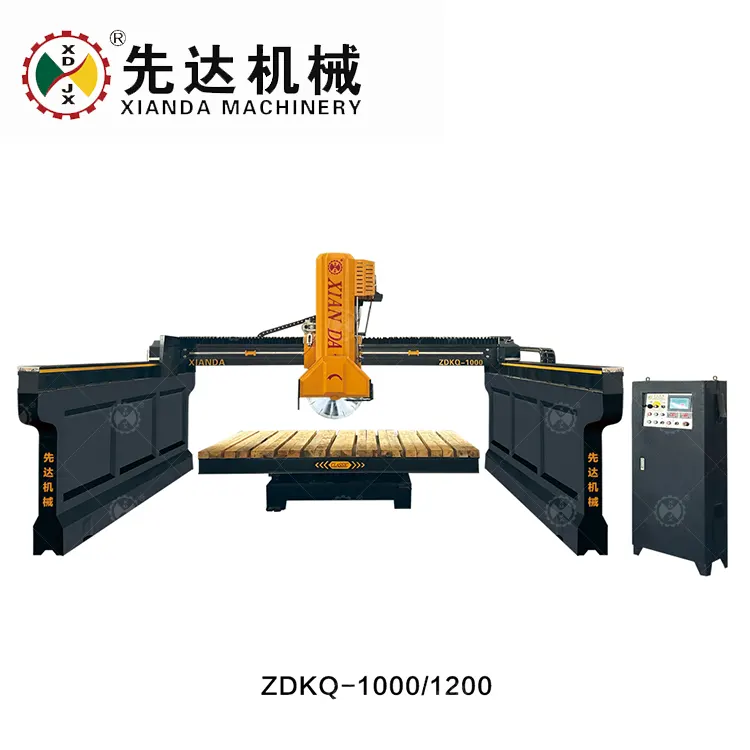
Table of Contents
- 1. What Is a Four Column Bridge Cutter Machine?
- 2. Key Components of a Four Column Bridge Cutter Machine
- 3. How the Machine Works
- 4. Major Advantages of Four Column Bridge Cutter Machines
- 5. Applications in the Stone Industry
- 6. Technical Specifications Overview
- 7. How to Choose the Right Machine
- 8. Maintenance and Operational Tips
- 9. Future Trends in Stone Cutting Technology
- 10. Frequently Asked Questions
1. What Is a Four Column Bridge Cutter Machine?
A Four Column Bridge Cutter Machine is a heavy-duty stone cutting machine designed for processing large slabs of granite, marble, quartz, and other natural or engineered stones. The machine features a bridge structure supported by four vertical columns that provide superior stability during cutting operations.
Unlike traditional stone cutting machines, the four-column structure ensures minimal vibration, improved blade alignment, and enhanced cutting accuracy. This makes it ideal for large-scale stone fabrication factories where precision and efficiency are critical.
Many advanced models, such as those produced by Xianda, incorporate CNC control systems, automated cutting paths, and high-power motors to achieve high productivity and consistent results.
2. Key Components of a Four Column Bridge Cutter Machine
Understanding the structure of the machine helps operators maximize performance and efficiency. The main components include:
- Four Vertical Columns – Provide structural support and stability
- Bridge Beam – Moves horizontally across the cutting area
- Cutting Head – Holds the diamond blade used for cutting stone
- Worktable – Supports stone slabs during cutting
- Control System – Allows operators to manage cutting operations
- Hydraulic or Servo Drive System – Enables smooth movement
- Cooling System – Prevents blade overheating
3. How the Machine Works
The Four Column Bridge Cutter Machine operates through a coordinated movement system that ensures precise and efficient cutting.
- The stone slab is placed securely on the worktable.
- The operator sets the cutting parameters through the control panel.
- The bridge moves across the slab horizontally.
- The cutting head lowers and begins cutting with a diamond blade.
- Cooling water flows continuously to prevent overheating.
- The blade completes the programmed cutting path.
This automated workflow reduces manual labor and improves cutting consistency across multiple slabs.
4. Major Advantages of Four Column Bridge Cutter Machines
Modern stone processing factories increasingly rely on these machines because of several key advantages:
| Feature | Benefit |
|---|---|
| Four-column structure | Improves cutting stability and accuracy |
| Heavy-duty bridge design | Handles large and thick stone slabs |
| Automated control system | Reduces operator workload |
| High-power motor | Ensures efficient cutting performance |
| Precision guide rails | Guarantees smooth movement and durability |
These features make the Four Column Bridge Cutter Machine a preferred solution for professional stone fabrication workshops.
5. Applications in the Stone Industry
The machine is widely used in various sectors of the stone manufacturing industry.
- Granite slab cutting
- Marble countertop fabrication
- Quartz surface processing
- Building stone production
- Architectural stone projects
- Monument and sculpture fabrication
Large factories typically integrate these machines into automated production lines to increase output capacity and reduce material waste.
6. Technical Specifications Overview
While specifications vary depending on manufacturer and model, the following table shows common technical parameters.
| Specification | Typical Value |
|---|---|
| Maximum Cutting Length | 3200 – 4000 mm |
| Maximum Cutting Thickness | 120 – 200 mm |
| Blade Diameter | 350 – 600 mm |
| Main Motor Power | 15 – 22 kW |
| Control System | CNC / PLC Control |
| Machine Weight | 5000 – 7500 kg |
For detailed specifications, operators can also review product pages such as:
Four Column Bridge Cutter Machine product details
7. How to Choose the Right Machine
Selecting the correct machine requires careful evaluation of production needs and factory capacity.
Key factors to consider include:
- Stone materials being processed
- Maximum slab size
- Desired production capacity
- Automation requirements
- Available factory space
- Technical support from the manufacturer
Working with experienced manufacturers such as Xianda ensures reliable equipment performance and professional after-sales service.
8. Maintenance and Operational Tips
Proper maintenance extends the lifespan of the machine and ensures consistent cutting quality.
- Regularly inspect diamond blades for wear
- Clean guide rails and moving components
- Maintain adequate cooling water flow
- Check electrical and hydraulic systems periodically
- Train operators on safe machine operation
Routine maintenance can significantly reduce downtime and improve overall productivity in stone processing factories.
9. Future Trends in Stone Cutting Technology
The stone processing industry is rapidly evolving with new automation technologies.
Future Four Column Bridge Cutter Machines are expected to include:
- Full CNC automation
- AI-assisted cutting optimization
- Remote monitoring systems
- Smart factory integration
- Energy-efficient motors
Manufacturers like Xianda continue to innovate by developing smarter and more efficient machines for the global stone industry.
10. Frequently Asked Questions
What materials can a Four Column Bridge Cutter Machine cut?
It can cut granite, marble, quartz, limestone, and other natural or engineered stones commonly used in construction and interior design.
Is the machine suitable for large stone slabs?
Yes. The four-column structure provides strong support and stability, making it ideal for cutting large slabs with high precision.
Does the machine require professional training?
Most machines are designed with user-friendly control systems, but proper training helps operators maximize efficiency and maintain safety.
How long does a diamond blade typically last?
Blade lifespan depends on the material being cut, cutting speed, and maintenance practices, but high-quality blades can last through many cutting cycles.
Why should stone factories invest in this machine?
Because it improves cutting accuracy, increases productivity, reduces labor costs, and enhances overall manufacturing efficiency.
Conclusion
The Four Column Bridge Cutter Machine has become an essential piece of equipment for modern stone fabrication factories. Its stable structure, precise cutting capability, and automation features enable businesses to process stone slabs efficiently while maintaining high product quality.
As the global demand for architectural stone continues to grow, investing in reliable cutting technology becomes increasingly important. Industry-leading manufacturers such as Xianda continue to provide advanced stone machinery solutions that help businesses stay competitive and improve production efficiency.
If you are looking for professional stone cutting equipment or want to learn more about advanced bridge cutter machines, feel free to contact us for expert guidance and customized solutions for your stone processing needs.
Send Inquiry

X
We use cookies to offer you a better browsing experience, analyze site traffic and personalize content. By using this site, you agree to our use of cookies.
Privacy Policy