




How Do Bridge Type Stone Cutting Machines Improve Precision, Efficiency, and Profitability in Modern Stone Fabrication
Bridge type stone cutting machines have become essential equipment in modern stone processing industries, including granite fabrication, marble workshops, quartz slab processing, and construction material manufacturing. These machines provide high cutting precision, automation capabilities, and improved productivity compared with traditional cutting equipment.
In this comprehensive guide, we explore how Bridge Type Stone Cutting Machines work, their key components, advantages, applications, and how to choose the best machine for your stone processing business. We will also examine the technological innovations introduced by manufacturers such as Xianda and how these machines contribute to efficient stone fabrication in global markets.
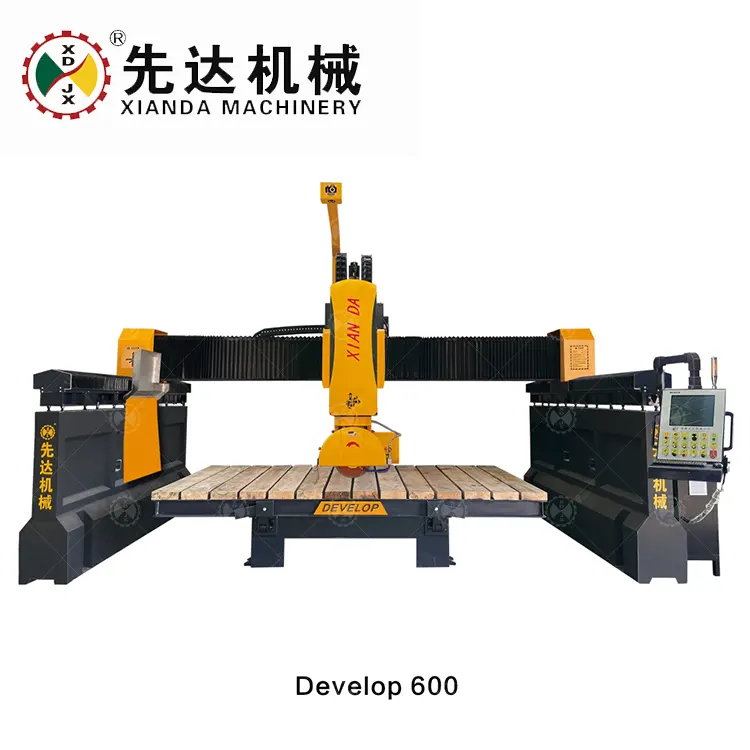
Table of Contents
- What Are Bridge Type Stone Cutting Machines?
- Why Are Bridge Stone Cutting Machines Essential in Modern Stone Processing?
- How Do Bridge Type Stone Cutting Machines Work?
- Key Components of Bridge Type Stone Cutting Machines
- Advantages of Using Bridge Type Stone Cutting Machines
- Applications Across the Stone Industry
- Bridge Cutting Machine vs Traditional Stone Cutting Methods
- How to Choose the Right Bridge Stone Cutting Machine
- Maintenance and Operation Tips
- Future Trends in Stone Cutting Technology
- Frequently Asked Questions
What Are Bridge Type Stone Cutting Machines?
Bridge Type Stone Cutting Machines are specialized industrial machines designed to cut large stone slabs such as granite, marble, quartz, limestone, and engineered stone. The machine features a bridge-like structure where the cutting head travels across the slab on rails, allowing accurate and controlled cutting operations.
The machine typically consists of a heavy-duty frame, a movable bridge, a cutting blade mounted on a spindle motor, and a worktable where stone slabs are placed. With modern automation and CNC systems, bridge cutting machines can perform straight cuts, angled cuts, and even complex shapes with exceptional accuracy.
Manufacturers such as Xianda design advanced machines capable of handling large-format slabs while maintaining stability, durability, and consistent performance.
Why Are Bridge Stone Cutting Machines Essential in Modern Stone Processing?
Stone fabrication has evolved significantly over the past few decades. Traditional cutting methods required significant manual labor and produced inconsistent results. Bridge cutting machines have transformed the industry by offering:
- High cutting precision
- Automation and programmable operations
- Improved production efficiency
- Reduced material waste
- Enhanced safety for operators
With increasing demand for customized stone products in construction and interior design, bridge type cutting machines provide the accuracy and flexibility needed to produce high-quality stone components.
How Do Bridge Type Stone Cutting Machines Work?
The working principle of bridge stone cutting machines is based on a rail-guided cutting system. The cutting blade moves along a horizontal bridge structure while the stone slab remains fixed on the worktable.
The process generally includes the following steps:
- Place the stone slab on the worktable.
- Position the cutting head using manual or CNC controls.
- Start the diamond blade rotation.
- The bridge moves along rails while the blade cuts the stone.
- Water cooling is applied to reduce heat and dust.
- The cut piece is removed for further processing.
Modern machines also integrate digital control systems, allowing operators to program precise cutting paths.
Key Components of Bridge Type Stone Cutting Machines
A bridge cutting machine consists of several critical components that ensure stability, performance, and durability.
| Component | Function |
|---|---|
| Bridge Structure | Supports the cutting head and moves along guide rails. |
| Diamond Blade | Performs the cutting operation on hard stone materials. |
| Spindle Motor | Drives the cutting blade with high power. |
| Guide Rails | Ensure precise movement of the bridge. |
| Worktable | Holds stone slabs securely during cutting. |
| Control System | Allows operators to program cutting parameters. |
| Cooling System | Supplies water to cool the blade and suppress dust. |
Advantages of Using Bridge Type Stone Cutting Machines
Bridge type cutting machines offer several advantages that make them the preferred solution for professional stone fabrication.
1. High Precision Cutting
The rigid bridge structure ensures minimal vibration, allowing accurate and smooth cuts even on hard materials like granite.
2. Increased Production Efficiency
Automation features reduce manual labor and allow continuous cutting operations.
3. Versatility
Bridge cutting machines can process various materials including:
- Granite
- Marble
- Quartz stone
- Artificial stone
- Limestone
4. Reduced Material Waste
Precision cutting minimizes errors and improves material utilization.
5. Improved Workplace Safety
Automated systems reduce direct operator contact with cutting blades.
Applications Across the Stone Industry
Bridge stone cutting machines are widely used across different sectors of the stone industry.
- Kitchen countertop manufacturing
- Building facade stone processing
- Flooring and wall tiles production
- Monuments and sculpture fabrication
- Architectural stone components
Companies like Xianda design machines capable of handling both small workshops and large-scale industrial stone processing plants.
Bridge Cutting Machine vs Traditional Stone Cutting Methods
| Feature | Bridge Cutting Machine | Traditional Cutting Method |
|---|---|---|
| Precision | High accuracy | Limited precision |
| Automation | CNC programmable | Manual operation |
| Efficiency | High production rate | Slow cutting process |
| Material Waste | Minimal | Higher waste |
| Safety | Improved safety systems | Higher risk for operators |
How to Choose the Right Bridge Stone Cutting Machine
Selecting the right machine depends on several important factors.
Consider the Following Factors
- Maximum stone slab size
- Cutting accuracy requirements
- Production volume
- Automation level
- Machine durability and brand reputation
Professional manufacturers like Xianda provide various models designed for different production needs, ranging from entry-level bridge saws to advanced CNC bridge cutting machines.
Maintenance and Operation Tips
Proper maintenance ensures long-term performance and reliability of bridge cutting machines.
- Inspect diamond blades regularly
- Keep guide rails clean and lubricated
- Monitor cooling water supply
- Check electrical systems periodically
- Train operators for correct machine usage
Routine maintenance not only extends machine lifespan but also ensures consistent cutting quality.
Future Trends in Stone Cutting Technology
The stone processing industry continues to adopt advanced technologies to improve efficiency and sustainability.
Key Innovations
- Fully automated CNC bridge cutting systems
- AI-assisted cutting optimization
- Integration with CAD design software
- Energy-efficient motors
- Smart monitoring systems
Manufacturers such as Xianda are investing in research and development to bring smarter, more efficient stone cutting machines to the global market.
Frequently Asked Questions
1. What materials can bridge type stone cutting machines cut?
They can cut a wide range of materials including granite, marble, quartz, artificial stone, limestone, and other natural stone materials.
2. How accurate are bridge stone cutting machines?
Modern CNC bridge cutting machines can achieve millimeter-level precision, making them suitable for high-end architectural and decorative stone processing.
3. Are bridge cutting machines suitable for small workshops?
Yes. Many manufacturers offer compact models designed for small and medium-sized stone fabrication businesses.
4. What type of blade is used in bridge stone cutting machines?
Diamond blades are commonly used because they provide excellent durability and cutting performance when processing hard stone materials.
5. How long does a bridge cutting machine last?
With proper maintenance and regular servicing, a high-quality machine can operate efficiently for many years.
Conclusion
Bridge Type Stone Cutting Machines have become indispensable tools in the modern stone fabrication industry. Their ability to deliver precision, efficiency, and automation allows stone manufacturers to meet the growing demand for customized stone products.
With continuous technological advancements and reliable manufacturers such as Xianda, bridge cutting machines will continue to play a crucial role in improving productivity and product quality in stone processing facilities worldwide.
If you are looking for high-performance stone cutting solutions or want to learn more about advanced bridge cutting equipment, feel free to explore professional machine options and contact us to discover how the right technology can transform your stone processing business.
Send Inquiry

X
We use cookies to offer you a better browsing experience, analyze site traffic and personalize content. By using this site, you agree to our use of cookies.
Privacy Policy